Understanding E-Bike Tire Categories
Electric bike tires fall into three general categories based on width. Regular tires measure between 1.5 and 2.4 inches wide, designed primarily for paved surfaces and light trail use. Plus-size tires range from 2.6 to 3.0 inches, offering enhanced traction while maintaining reasonable weight and rolling efficiency. True fat tires exceed 3.8 inches in width, sometimes reaching 5 inches, built specifically for extreme terrain like deep snow and soft sand.
Each category serves different purposes. Regular tires excel on cleared roads and hardpack surfaces where their lower rolling resistance translates to greater efficiency and speed. Fat tires dominate in deep powder and loose conditions where their massive footprint prevents sinking. Plus-size tires occupy the middle ground, delivering many benefits of both extremes without their respective drawbacks.
How Tire Width Affects Winter Performance
The physics behind tire performance in winter conditions centers on contact patch and ground pressure. A wider tire spreads your weight across a larger surface area, reducing pressure per square inch on the ground beneath you. This distribution helps tires float on top of soft surfaces rather than cutting through and sinking.
On packed snow and ice, wider tires provide more rubber in contact with the surface, increasing the number of tread blocks gripping at any moment. This enhanced contact translates to better acceleration traction, more predictable braking, and increased stability during cornering. The difference becomes especially pronounced on slippery surfaces where narrow tires tend to break loose unpredictably.
The Plus-Size Advantage
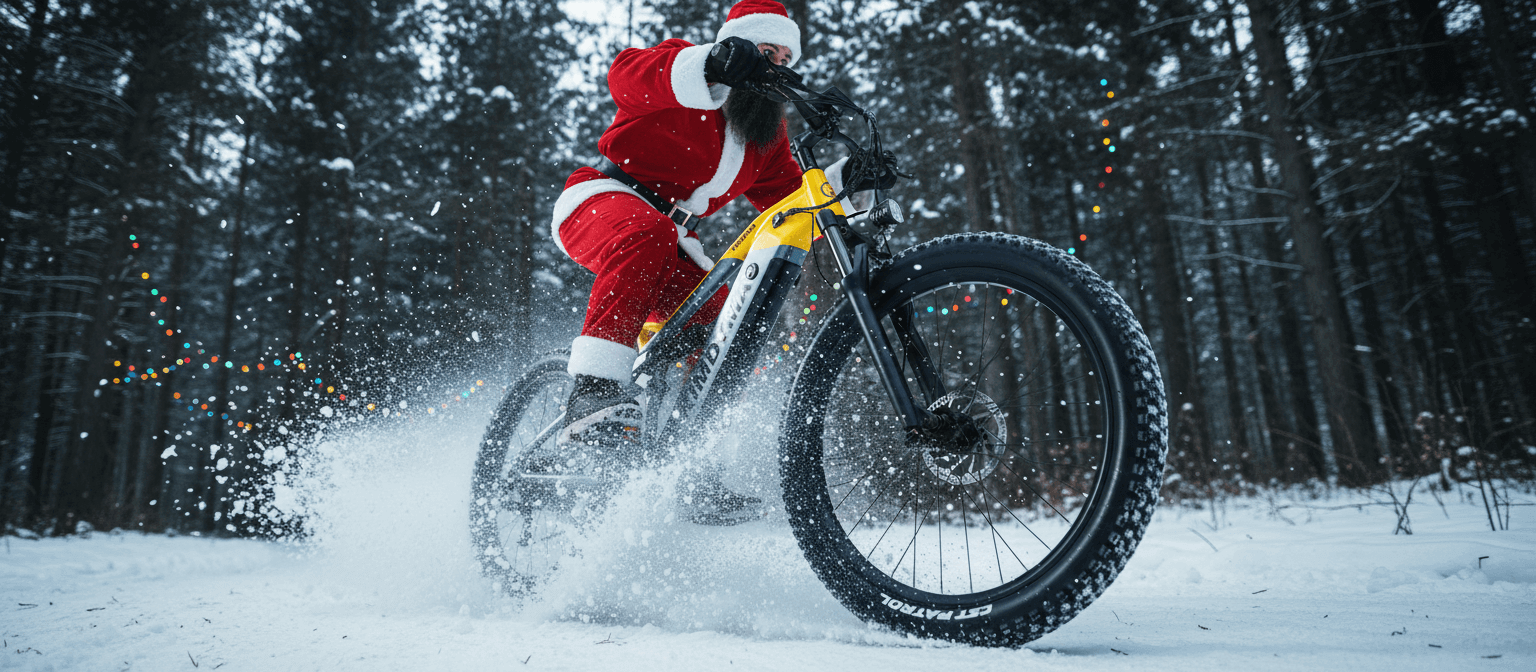
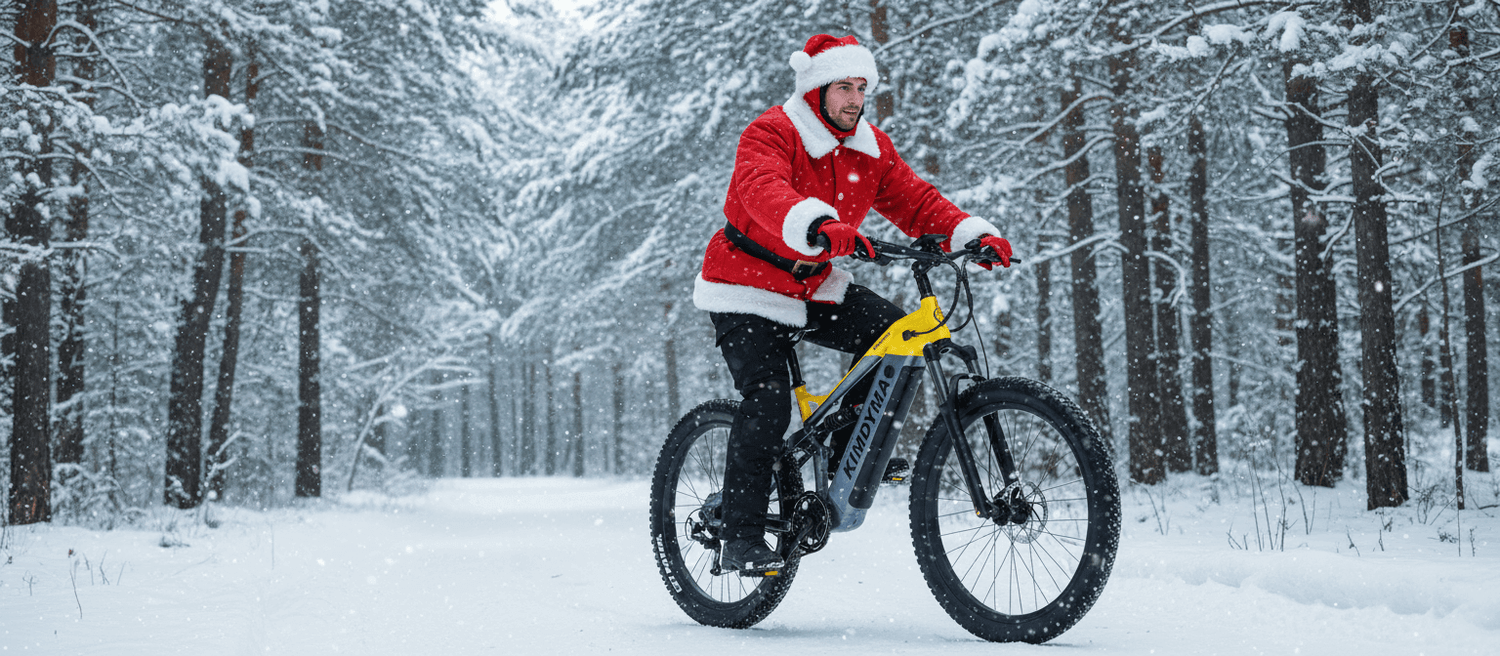
The KINDYMA TITAN X features 27.5 x 2.8 inch all-terrain tires, placing it in the plus-size category. This tire width delivers significantly improved winter capability compared to standard 2.0-2.4 inch tires while avoiding the weight penalty and handling quirks of true fat tires. Research from cycling publications confirms that 2.8-inch tires offer immediate confidence improvements for intermediate riders, with better bump absorption and enhanced grip on variable surfaces.
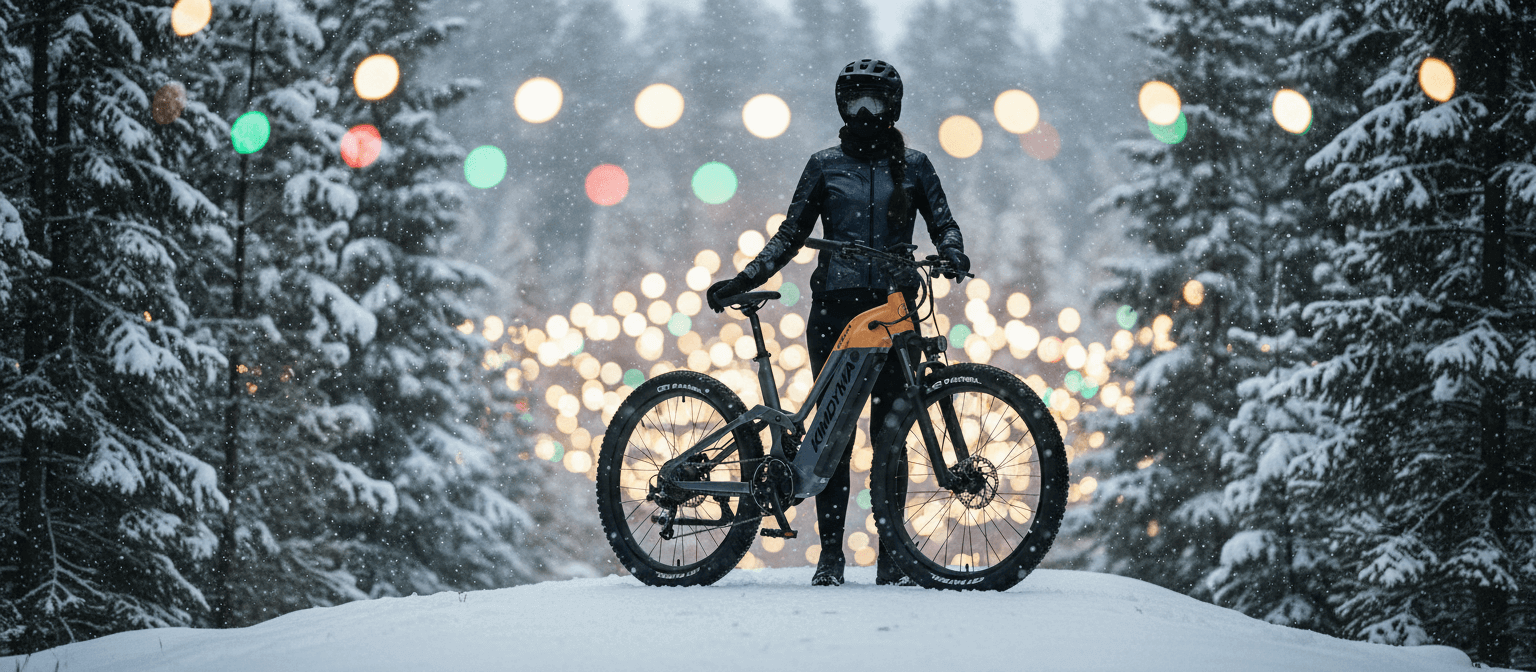
The KINDYMA AURORA S shares the same 27.5 x 2.8 inch tire specification, providing identical winter traction advantages in an elegant step-through frame design. The wider profile allows riders to run lower air pressure, which increases the tire's ability to conform to uneven frozen surfaces and maintain grip through varying conditions.
True Fat Tire Benefits for Extreme Conditions
Electric bikes with 4-inch or wider fat tires were originally developed for riding in Alaskan snow and New Mexico desert sand. Their massive air volume at low pressure creates flotation that allows riders to traverse deep powder that would instantly bog down any other bicycle. For riders who regularly encounter ungroomed snow exceeding several inches in depth, true fat tires remain the only viable option.
Fat tire e-bikes also provide exceptional shock absorption. The large air volume acts as natural suspension, smoothing out frozen ruts, ice chunks, and debris hidden beneath snow. This cushioning effect reduces rider fatigue on long winter rides across rough terrain. The stability advantage becomes particularly noticeable for riders carrying cargo or those who prioritize a confidence-inspiring ride feel over nimble handling.
The Trade-offs of Maximum Width
Despite their advantages in extreme conditions, true fat tires carry significant compromises. Weight increases substantially, with fat tire e-bikes often weighing 10-15 kilograms more than comparable plus-size models. This added mass affects acceleration, climbing efficiency, and overall energy consumption, reducing your effective range on a single battery charge.
Rolling resistance climbs dramatically as tire width increases. On cleared roads, packed trails, or any surface where flotation matters less than efficiency, fat tires demand significantly more motor power and human effort to maintain speed. The motor must work harder to overcome increased friction, drawing more current from the battery and shortening your riding distance.
Handling characteristics also change with extreme width. Fat tires can feel vague or slow to respond when cornering aggressively, lacking the precise feel that narrower tires provide. Many experienced riders describe the sensation as floating or disconnected, which reduces confidence in fast technical riding. Tire replacement costs run considerably higher, and availability may be limited compared to standard sizes.
Where Regular Tires Struggle in Winter
Standard e-bike tires with widths below 2.4 inches face genuine limitations when winter conditions deteriorate. Their smaller contact patch provides less grip on slippery surfaces, requiring more careful speed management and earlier braking. Narrow tires also have a tendency to cut through soft snow rather than riding on top, creating resistance and unpredictable handling.
The reduced air volume in narrow tires offers less shock absorption, transmitting more vibration and impact through the frame to the rider. Frozen ground with ice ruts and hidden obstacles becomes more punishing, increasing fatigue and discomfort on longer rides. Traction loss happens more suddenly with narrow tires, giving less warning before wheels break loose.
However, regular tires maintain significant advantages on cleared winter roads. When municipalities plow and salt roadways, the efficiency and light weight of narrower tires become assets. Commuters who ride primarily on treated urban streets may find narrow tires perfectly adequate, especially when equipped with winter-specific rubber compounds.
The Plus-Size Sweet Spot for Winter Versatility
For most riders who encounter a mix of conditions throughout winter, plus-size tires in the 2.6 to 3.0 inch range offer the optimal balance. These tires provide substantial traction improvements over regular widths while maintaining reasonable weight and rolling efficiency. They handle packed snow, light powder, ice patches, and cleared roads with equal competence.
The KINDYMA TITAN X combines its 2.8-inch tires with puncture-resistant casing and double-wall aluminum rims, creating a wheel system that handles winter abuse while resisting the damage that ice and debris can inflict. The tire profile works in harmony with the bike's full suspension system, including the adjustable air-pressure front fork and DNM 190mm rear shock, to maintain control across variable frozen terrain.
This tire width allows operation at significantly lower pressure than narrower alternatives. Reducing pressure creates more surface contact with the ground, conforming better to uneven surfaces and improving grip. The KINDYMA AURORA S takes advantage of this same tire configuration while adding the practical benefit of a step-through frame that simplifies mounting and dismounting when wearing heavy winter clothing.
Motor Power and Tire Width Interaction
Winter riding conditions demand more from your e-bike's motor system. Cold temperatures increase rolling resistance in all tires, and pushing through snow adds further load. The 48V 500W brushless motor powering both KINDYMA models delivers 80 N.m of torque, providing sufficient power to maintain momentum even when tires encounter soft spots or slippery sections.
Fat tire e-bikes often require more powerful motors to overcome their higher resistance, leading to faster battery drain. Plus-size tires strike a more efficient balance, requiring less motor assistance than fat tires while still delivering the traction benefits riders need. The 48V 20Ah Samsung lithium battery in KINDYMA bikes provides up to 160 km of pedal-assist range under optimal conditions, though winter riding typically reduces this by 20-40% depending on temperature and terrain.
How Tire Width Affects Winter Braking
Stopping safely on snow and ice depends on the interaction between your braking system and tire grip. The Shimano M200 hydraulic disc brakes equipped on KINDYMA models provide consistent stopping power regardless of weather conditions, but the tires ultimately determine how quickly you can actually halt.
Wider tires allow more progressive braking on slippery surfaces. The larger contact patch means you can apply brake pressure more aggressively before wheels lock and skid. Narrow tires reach their traction limit more quickly, requiring gentler brake application and longer stopping distances. The 160mm brake rotors on KINDYMA bikes deliver strong stopping force, but the 2.8-inch tires ensure that force translates to actual deceleration rather than sliding.
Both KINDYMA models include a brake cut-off sensor that instantly disconnects motor power when you squeeze the brake levers. This safety feature prevents the motor from fighting against your braking effort, particularly valuable on slippery surfaces where precise speed control matters most.
Suspension and Tire Width Working Together
Winter terrain rarely presents smooth, predictable surfaces. Frozen ruts, ice ridges, and debris hidden beneath snow create constant impacts that challenge both tire and suspension. The full suspension system on the KINDYMA TITAN X works in conjunction with the 2.8-inch tires to absorb these impacts before they upset your balance or dislodge your wheels from the surface.
Plus-size tires at lower pressure contribute their own suspension effect, complementing mechanical suspension components. This dual-layer damping keeps tires planted more consistently, maintaining traction through impacts that would cause narrower, higher-pressure tires to bounce and lose grip. The KINDYMA AURORA S offers this same suspension and tire combination, ensuring confident handling regardless of frame geometry preference.
Matching Tire Choice to Your Winter Conditions
When Fat Tires Make Sense
True fat tires remain the best choice if your winter riding regularly involves deep ungroomed snow exceeding 10-15 centimeters. Riders in remote areas without snow removal, those who explore backcountry trails during winter, or anyone who specifically seeks out powder conditions will benefit from maximum flotation. Fat tires also suit riders who prioritize absolute stability and comfort over efficiency and handling precision.
When Regular Tires Suffice
Urban commuters who ride exclusively on plowed and treated roads may find standard-width tires adequate for winter use, especially when fitted with winter-specific rubber compounds or studs. If your routes receive regular snow removal and you value efficiency over all-terrain capability, narrower tires offer lighter weight and lower rolling resistance that preserve battery range.
When Plus-Size Tires Excel
Most winter riders encounter a variety of conditions during typical rides, from cleared sections to packed snow to occasional deeper accumulation. Plus-size tires in the 2.6 to 3.0 inch range handle this variability with aplomb, providing enough flotation for moderate snow depth while remaining efficient on cleared surfaces. The 2.8-inch tires on KINDYMA models represent this versatile middle ground, suitable for trails, mixed terrain, and urban streets alike.
Making Your Winter E-Bike Decision
The ideal winter e-bike tire width depends entirely on your specific riding conditions and priorities. Fat tires dominate in extreme powder conditions but sacrifice efficiency and handling. Regular tires maintain speed and range on cleared roads but struggle when conditions deteriorate. Plus-size tires offer the most versatile solution for riders who encounter varied winter terrain.
The KINDYMA TITAN X delivers aggressive winter performance with its 27.5 x 2.8 inch all-terrain tires, full suspension system, and powerful 500W motor. This combination handles packed trails, light snow, icy patches, and mixed conditions with confidence. For riders seeking the same capable platform in an accessible step-through design, the KINDYMA AURORA S provides identical tire specifications and winter capability with enhanced mounting convenience.
Winter transforms cycling into a unique adventure. With properly sized tires matched to your conditions, supported by quality suspension and reliable braking systems, cold weather becomes an invitation to explore rather than a reason to stay indoors. Evaluate your typical winter routes, consider the conditions you most commonly encounter, and choose the tire width that keeps you riding confidently through the season.