Aluminum Alloy Frames
Aluminum has become the dominant frame material for electric bikes across all price ranges. The material offers an excellent balance of strength, weight, corrosion resistance, and manufacturing cost. For winter riding specifically, aluminum provides several important advantages that explain its widespread adoption. Resources from materials engineering databases document aluminum's mechanical properties across temperature ranges relevant to cycling.
Unlike steel, aluminum does not rust when exposed to moisture and road salt. The material forms a protective oxide layer on its surface that shields the underlying metal from further corrosion. This natural protection means aluminum frames can withstand repeated exposure to wet, salty winter roads without developing the destructive rust that threatens steel structures.
Cold temperatures actually improve aluminum's mechanical properties in some respects. The material maintains its strength as temperatures drop, and aluminum alloys used in bicycle frames do not become brittle in sub-freezing conditions. This thermal stability makes aluminum frames reliable choices for riders who commute through harsh winter weather.
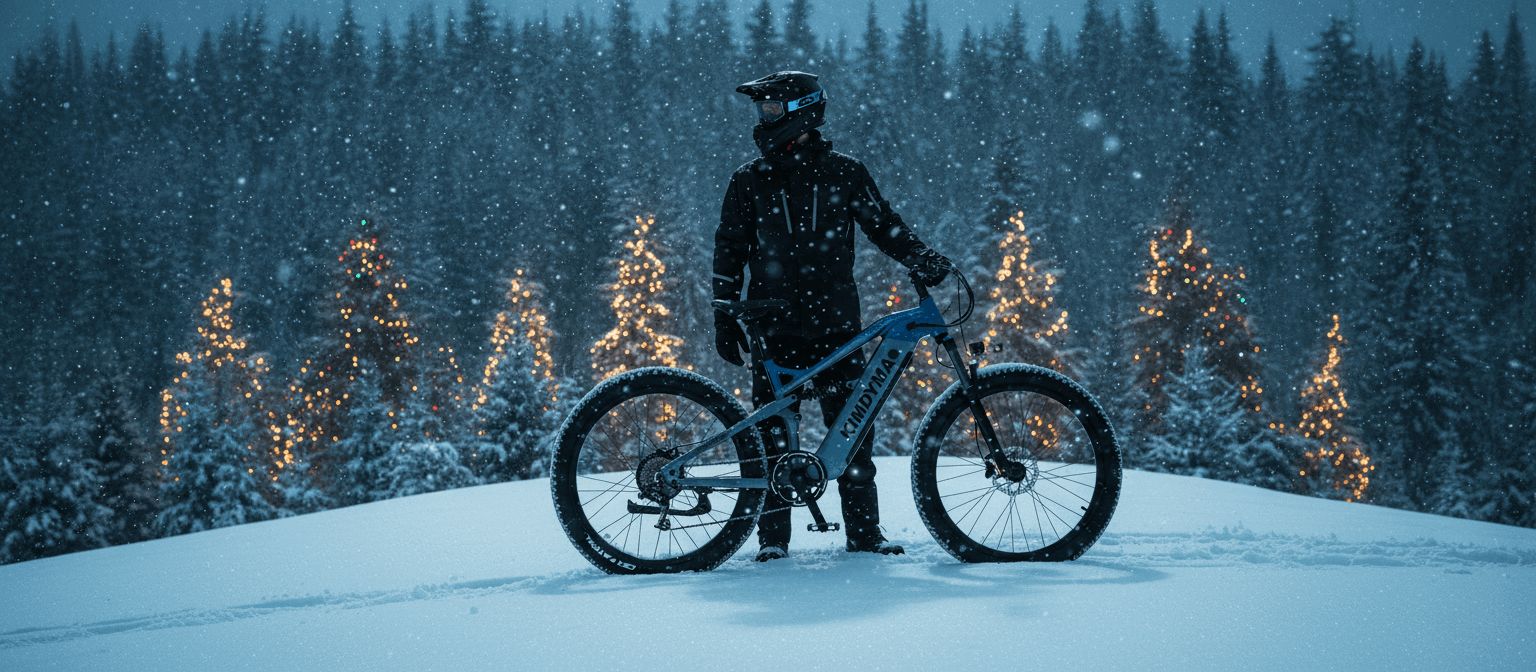
The KINDYMA Titan X electric mountain bike uses an aviation-grade aluminum alloy frame measuring 27.5 x 16 inches. This aluminum construction provides the rigidity needed for aggressive off-road riding while resisting the corrosive effects of winter conditions. The full suspension design with aluminum frame maintains structural integrity through temperature swings that would stress lesser materials.
Steel Frame Characteristics
Steel frames have a long history in bicycle manufacturing, and certain steel alloys remain popular for specific applications. The material offers exceptional ride quality due to its natural flex characteristics, absorbing road vibrations more effectively than stiffer alternatives. Steel also allows for relatively simple repairs when damage occurs, as skilled welders can fix cracks or modify frame geometry.
However, steel presents significant challenges for winter riding. The material corrodes when exposed to water and salt, and this rust can develop both externally and inside frame tubes where moisture collects. Bicycle maintenance guides emphasize the importance of frame preservation treatments for steel bikes used in wet conditions.
Chromoly steel, the most common steel alloy in quality bicycle frames, requires diligent maintenance to survive winter use. Riders must regularly clean salt residue, treat scratches in paint to prevent rust entry points, and consider internal frame coatings to protect hidden surfaces. This maintenance burden makes steel less practical than aluminum for dedicated winter commuting.
The weight penalty of steel also becomes more noticeable on electric bikes. Since e-bikes already carry motor and battery weight, adding a heavier steel frame increases total mass significantly. This extra weight reduces range and makes the bike more difficult to transport or maneuver when motor assistance is unavailable.
Carbon Fiber Considerations
Carbon fiber composite frames offer the lightest weight option for bicycle construction. The material allows designers to tune stiffness and compliance precisely, creating frames optimized for specific riding styles. Carbon fiber does not corrode like metals, making it theoretically ideal for wet conditions.
Despite these advantages, carbon fiber presents concerns for cold weather use. The resin systems binding carbon fibers together can become more brittle at low temperatures, potentially affecting impact resistance. While quality carbon frames withstand normal riding forces across temperature ranges, sudden impacts from hitting hidden obstacles under snow pose greater risk to cold carbon than to metal frames.
Inspecting carbon frames for damage requires specialized knowledge. Cracks and delamination can occur internally without visible external signs, and composite inspection techniques used by professionals may not be accessible to average riders. Metal frames typically show damage more obviously, making post-crash safety assessments more straightforward.
Repairing carbon frame damage also presents challenges. While specialized carbon repair services exist, they cost significantly more than welding repairs for metal frames. A winter crash that might create a fixable dent in an aluminum frame could require expensive composite repair or complete frame replacement on a carbon bike.
Titanium Frame Properties
Titanium combines many desirable properties for bicycle frames. The material resists corrosion completely, maintains excellent strength-to-weight ratios, and provides a compliant ride feel similar to steel but without rust concerns. Titanium frames can last decades with minimal maintenance, making them attractive for riders seeking long-term investments.
For winter riding, titanium's corrosion immunity proves particularly valuable. Road salt, moisture, and freeze-thaw cycles that attack steel and eventually affect even aluminum have no effect on titanium. The material requires no protective coatings and develops an attractive surface patina over time without structural degradation.
However, titanium comes with significant cost implications. Manufacturing titanium frames requires specialized equipment and expertise, driving prices substantially higher than comparable aluminum constructions. For electric bikes where motor and battery already represent major cost components, titanium frames push total prices into premium territory that limits accessibility for most riders.
Why Aluminum Dominates E-Bike Manufacturing
The prevalence of aluminum frames in electric bike production reflects practical engineering decisions. Aluminum offers the best overall balance of weight, strength, corrosion resistance, and manufacturing cost. These factors matter particularly for e-bikes where frame design must accommodate motor mounting, battery integration, and reinforced stress points.
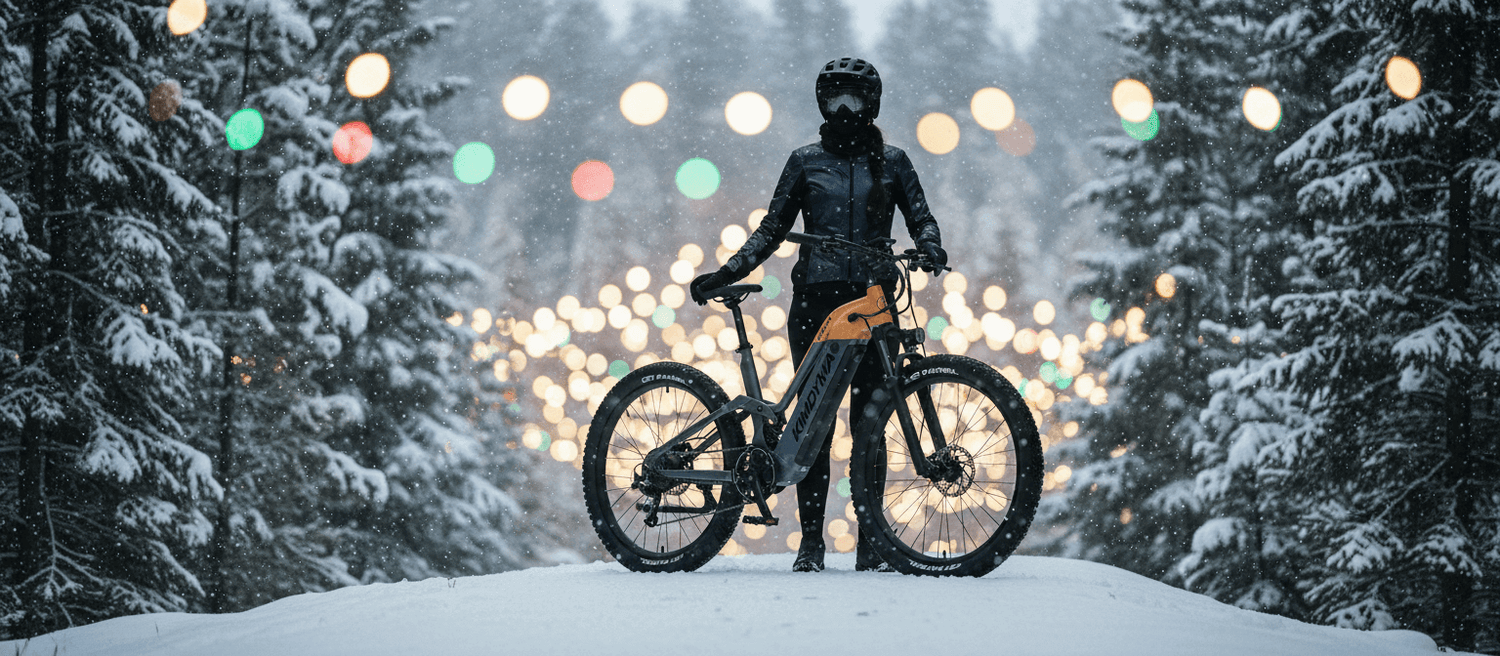
Electric bike frames require specific mounting points and internal cable routing for motor systems and electrical components. Aluminum's manufacturing flexibility allows frame builders to incorporate these features cost-effectively. The KINDYMA Aurora S step-through electric bike demonstrates this integration with its aluminum alloy frame designed specifically for the 48V electrical system and rear hub motor configuration.
Frame tube shapes optimized for e-bike applications differ from traditional bicycle designs. Aluminum allows hydroforming and other manufacturing processes that create complex tube profiles maximizing strength where motor torque loads concentrate. These shaped tubes provide stiffness for power transfer while managing weight and maintaining the flexibility needed for comfortable riding.
Cold Weather Effects on Frame Joints
Welded joints represent critical stress points on any bicycle frame. Temperature cycling between warm indoor storage and cold outdoor riding causes thermal expansion and contraction that can stress welds over time. Quality aluminum frames use welding techniques and heat treatments that account for these thermal stresses.
Post-weld heat treatment restores aluminum's strength properties that welding temporarily reduces. Frames from reputable manufacturers receive proper heat treatment, while budget alternatives may skip this step. Information from welding technology resources explains how heat treatment affects aluminum joint integrity.
Inspect frame welds periodically, particularly before and after winter seasons. Look for cracks, discoloration, or paint lifting around joint areas that might indicate underlying problems. Catching weld issues early allows repair or replacement before catastrophic failure occurs during a ride.
Protecting Your Frame Through Winter
Regardless of frame material, winter conditions demand additional care to maximize longevity. Road salt accelerates corrosion on any metal components and can attack hardware, cables, and drivetrain parts even when the frame itself resists damage. Regular cleaning removes salt before it causes lasting harm.
Rinse your e-bike after rides in salted conditions, paying attention to areas where salt accumulates. Avoid high-pressure washing that can force water into bearings and electrical connections. A gentle rinse followed by drying prevents the extended salt contact that causes most winter corrosion damage.
Frame protection products offer additional defense against winter wear. Clear protective films, frame guards, and wax treatments create barriers between your frame and corrosive elements. The IP65 water resistance rating on KINDYMA electric bikes, including both the Titan X and Aurora S models, indicates protection against water jets from any direction, providing confidence for wet weather riding.
Hardware and Component Considerations
Frame material represents only one factor in overall bicycle durability. Bolts, bearings, cables, and other hardware face their own winter challenges. Stainless steel fasteners resist rust better than standard hardware, and sealed bearings protect internals from water and contamination.
Quality electric bikes specify components chosen for durability across conditions. The Shimano drivetrain components used on KINDYMA models, including the 21-speed system on the Titan X, represent established designs proven reliable in varied conditions. Shimano's corrosion-resistant treatments and sealed construction help these components survive winter exposure.
Electrical connections deserve particular attention on e-bikes used in winter. Moisture ingress into motor, battery, or controller connections can cause system failures. Specifications from electrical protection standards define IP ratings that indicate component sealing levels. Higher IP ratings provide greater protection against water and particulate infiltration.
Frame Geometry for Winter Stability
Beyond material selection, frame geometry affects winter handling characteristics. Longer wheelbases provide stability on slippery surfaces, while lower bottom brackets keep weight centered for better balance. Frame angles influence how the bike responds to steering inputs on unpredictable terrain.
The Aurora S step-through frame features a 1220mm wheelbase that enhances stability across varied surfaces. The step-through design also allows easier mounting and dismounting when wearing bulky winter clothing or when footing becomes uncertain on icy ground. These practical geometry considerations complement the aluminum frame's cold-weather durability.
Full suspension frames add complexity but improve winter traction by maintaining tire contact through surface irregularities. The combination of front fork and rear shock absorption keeps both wheels planted when encountering hidden bumps under snow. This consistent contact translates to more predictable handling in challenging conditions.
Long-Term Value Considerations
Frame material choice affects how well your e-bike retains value over time. Aluminum frames that show no corrosion and maintain structural integrity command better resale prices than weathered steel alternatives. The initial investment in corrosion-resistant construction pays dividends if you eventually sell or upgrade.
Documentation of proper maintenance supports resale value. Keeping records of regular cleaning, component replacements, and any repairs demonstrates responsible ownership. Buyers evaluating used e-bikes appreciate evidence that the frame and components received appropriate winter care.
Warranty coverage also connects to frame material and build quality. Manufacturers confident in their frame construction offer longer warranty periods. Review warranty terms when comparing e-bikes, noting what frame damage coverage includes and how winter use affects warranty validity.
Conclusion
For cold weather e-bike riding, aluminum alloy frames offer the most practical combination of durability, weight, and value. The material's natural corrosion resistance, stable mechanical properties across temperatures, and manufacturing flexibility make it the preferred choice for electric bikes designed for year-round use.
Steel requires extensive maintenance to survive winter conditions. Carbon fiber raises concerns about cold-temperature impact resistance and repair costs. Titanium provides excellent properties but at premium prices that limit accessibility. Aluminum strikes the balance that most winter riders need.
Electric bikes built with quality aluminum frames, like the KINDYMA Titan X for mountain riding and the Aurora S for comfortable commuting, provide the foundation for reliable winter cycling. Combined with proper maintenance practices and attention to component quality, an aluminum-framed e-bike will serve you well through many seasons of cold weather adventures.