Why Your E-Bike Feels Different When the Weather Warms Up
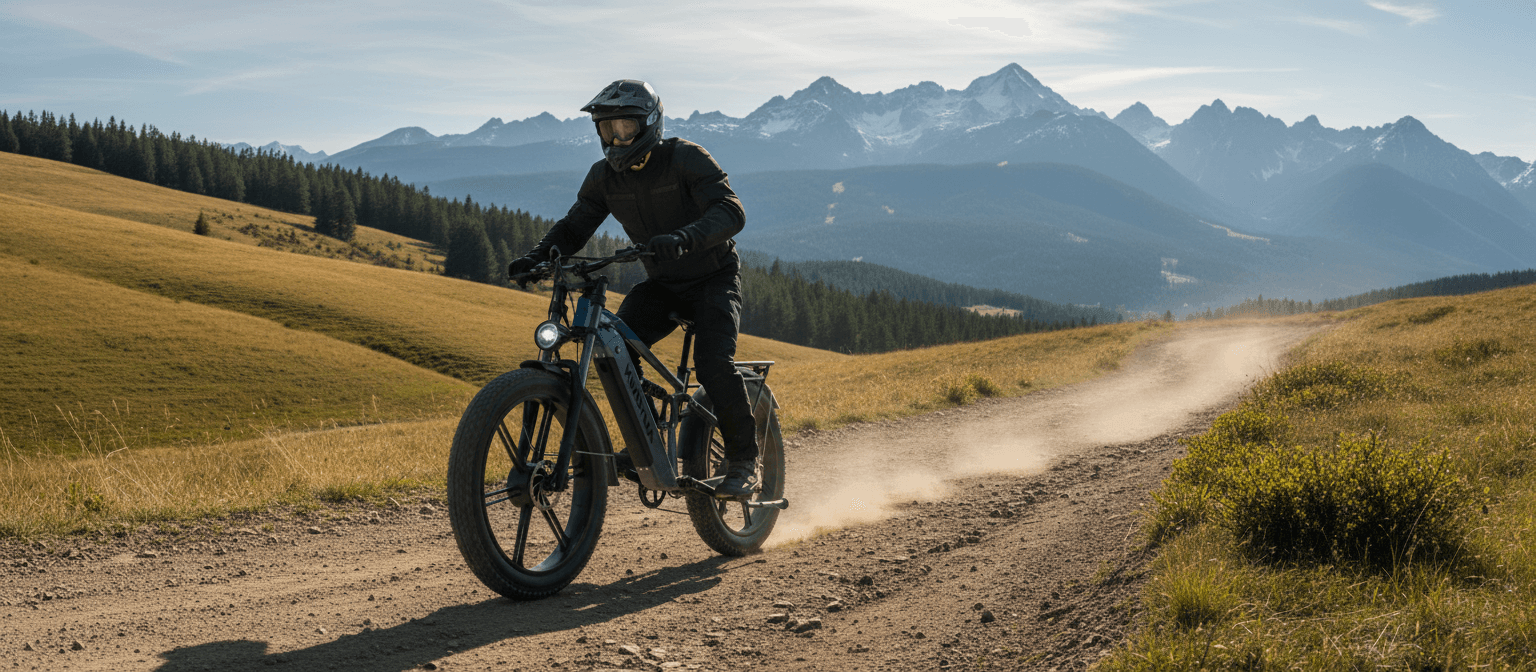
If you've parked your e-bike through the colder months and pulled it out on the first warm spring morning, you've probably noticed something almost immediately: it just feels livelier. Acceleration comes on a little quicker, the assist holds longer, and that final bar on the battery indicator seems to last well beyond what you remembered. This isn't your imagination, and it isn't placebo. It's chemistry.
Lithium-ion batteries — the technology powering virtually every modern electric bike — are deeply temperature-sensitive devices. When temperatures rise from winter lows into the mild range of European spring, the chemical and electrical processes inside your battery shift in your favour. Understanding why this happens helps you ride smarter, plan longer trips with confidence, and get the most from the warmer riding season ahead.
The Science: How Temperature Changes What Your Battery Can Do
Inside every lithium-ion cell, energy is stored and released through the movement of lithium ions between two electrodes, carried by a liquid electrolyte. Temperature directly affects how easily those ions can travel.
In cold weather, the electrolyte thickens and ion movement slows dramatically. According to research published in ScienceDirect on lithium-ion battery thermal performance, the acceptable operating window for lithium-ion cells generally falls between -20°C and 60°C, with usable capacity dropping noticeably outside the comfortable middle of that range. As temperatures climb back into the mild zone, the electrolyte flows freely again, internal resistance drops, and ions move with much less effort.
Most battery research and manufacturer guidance points to an ideal operating range of roughly 5°C to 35°C for peak lithium-ion efficiency. That window happens to overlap perfectly with European spring and early summer riding conditions across most of the continent — from Poland through Germany, France, Spain, and the UK.
Three Real Benefits You'll Feel This Spring
1. More Usable Range From the Same Battery
The most obvious and welcome change is range recovery. In freezing conditions, riders can lose a meaningful percentage of their normal range simply because cold cells cannot deliver their full rated capacity. As ambient temperatures climb back into the comfortable zone, that lost capacity returns.
For example, our TITAN X high-performance electric mountain bike is rated for up to 130 km of pedal-assisted range on its 48V 20Ah Samsung-cell battery in ECO mode under standard test conditions. Cold winter rides typically fall short of that figure. Mild spring temperatures bring you much closer to the bike's full quoted range, often making the difference between a one-charge weekend tour and a midway top-up.
2. Crisper Power Delivery and Stronger Climbing Feel
Warmer cells deliver current with less internal resistance, which means your motor receives cleaner, more responsive power when you ask for it. Climbing a hill, accelerating from a junction, or punching through a soft section of trail all feel a little more decisive in spring than they did in winter.
This shows up most clearly on bikes built for demanding terrain. The K03 RANGER dual-motor fat-tire electric bike, with its 1500W combined output from front and rear hub motors, depends on the battery feeding two separate motors at once. When the battery is operating in its happy zone, both motors get the consistent supply they need to push 26×4.0 fat tyres through gravel, sand, or steep singletrack with confidence.
3. Faster, Healthier Charging
Charging behaviour also improves with warmer temperatures. Most lithium-ion chemistries cannot accept a charge safely below 0°C, and even temperatures close to freezing force chargers to slow current to protect the cells. As Fortress Power explains in their lithium battery operating-temperature guide, batteries simply work and charge better when kept in a "warm" middle-of-the-road environment.
In spring conditions, your charger can run at its intended rate, the battery management system has less work to do, and the typical 6 to 8 hour full-charge cycle on the included 54.6V smart charger proceeds smoothly. Charging in moderate temperatures is also gentler on long-term cell health, which means a battery that holds its capacity better over years of use.
The Models That Make the Most of Spring
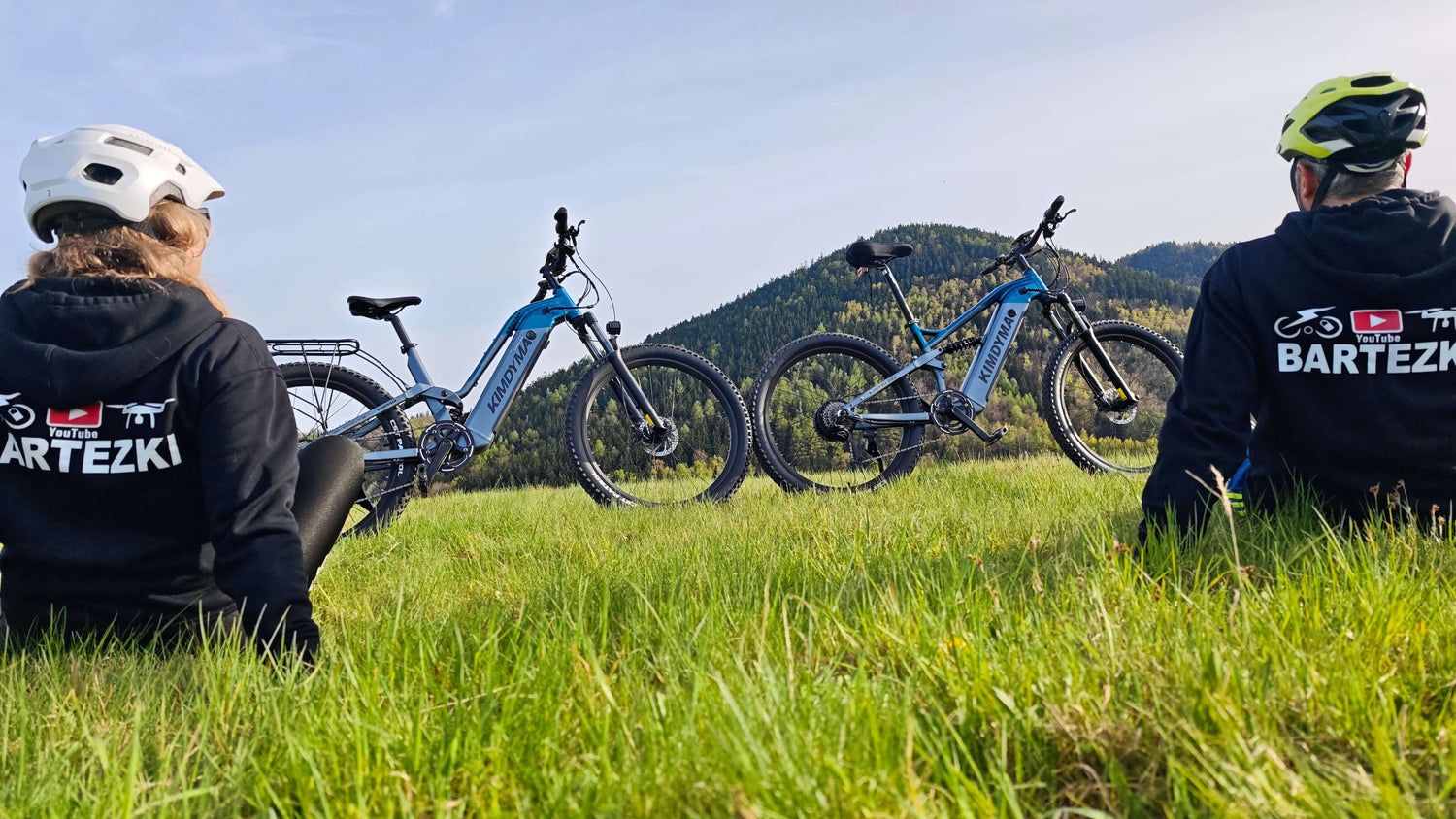
Each Kindyma model takes advantage of warmer conditions in its own way. The TITAN X is built around a 500W rear hub motor, 80 N·m of torque, full air-adjustable front suspension paired with a DNM 190mm rear shock, and 27.5×2.8 all-terrain tyres. With its 48V 20Ah Samsung battery operating at full efficiency, longer trail loops and weekend mountain rides become realistic single-charge outings.
The AURORA S elegant electric mountain bike for women shares the same 500W motor, 48V 20Ah Samsung battery, 80 N·m torque, and up to 130 km pedal-assist range, but in a more accessible step-through frame designed for riders from 155 to 185 cm. For commuters and weekend cyclists who put the bike away during winter, spring is when the AURORA S really shows what it can do — full range, smooth assist, and the kind of effortless cruising the bike was designed for.
The K03 RANGER takes a different approach. Its 1500W dual-motor system, all-wheel-drive layout, and fat tyres are built for the most demanding terrain. With a 60 to 80 km range under standard test conditions, getting maximum efficiency from each charge matters even more. Warm-weather chemistry helps the battery feed both motors evenly, which is exactly what you want when you're powering through soft sand or up a steep, loose climb.
Getting the Most From Spring Riding
A few simple habits help you capture the full benefit of warm-weather performance.
Store the bike at room temperature whenever possible, ideally between 15°C and 25°C. Avoid leaving the battery in direct sun for hours — while warm helps, very hot harms, and prolonged exposure above 40°C accelerates cell ageing. Charge indoors at moderate temperatures rather than in a cold garage. Check tyre pressure as the seasons change; warmer air expands, and properly inflated tyres reduce rolling resistance, which compounds the range gains you're already getting from the battery.
Most importantly, plan slightly longer routes than you attempted in winter. Range numbers that felt optimistic in January are realistic in April and May. The same battery, same motor, and same bike will simply do more for you now.
A Season Built for Riding
Warmer weather doesn't change the specifications printed on your e-bike — it changes how close to those specifications you actually get. Winter is, in a real sense, when your battery is held back. Spring is when it's allowed to perform as designed. Whether you ride a TITAN X up forest trails, an AURORA S along the canal path, or a K03 RANGER across mixed terrain, the next few months are when your Kindyma bike is at its best.
Pump the tyres, top up the charge, and head out. The bike has been waiting for this.