


Europe's e-bike legal status is unstable because the 2009 EU standard (250W, 25 km/h) hasn't kept pace with market innovation—manufacturers now sell throttle-only, dual-motor, and high-wattage bikes in legal gray zones. Individual countries are tightening rules independently: Italy seized thousands of bikes, France mandated helmets, and others are considering registration and insurance. Your bike's compliance depends on its motor type, wattage, speed limits, and your country's specific rules. To protect yourself, buy bikes with transparent, locked specifications, keep all documentation, and consider extended warranty coverage that accounts for regulatory shifts.
Why the EU's E-Bike Legal Framework Is Becoming Unstable
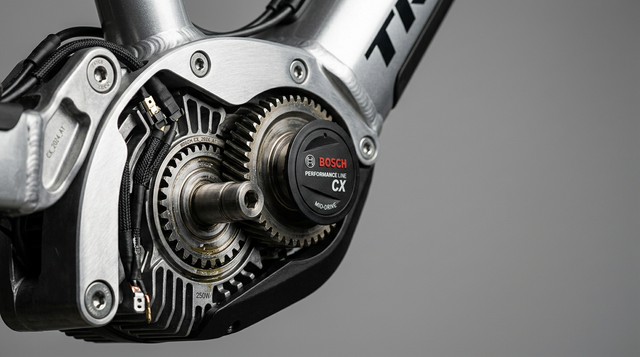
The current European standard for e-bikes—250W motor, 25 km/h speed limit, pedal-assist only—was codified in EN 15194 back in 2009. That framework worked well when e-bikes were niche products, but it hasn't kept pace with market innovation. Manufacturers now sell bikes that technically comply on paper but operate in legal gray zones: throttle-only models marketed as bicycles, dual-motor setups advertised for off-road use, and high-wattage systems with hidden power modes accessible through display settings.
This disconnect has triggered enforcement responses across Europe. In 2024, Italian authorities seized thousands of e-bikes sold as compliant bicycles but equipped with motors exceeding legal limits. France mandated helmet use for all e-bike riders starting in 2025, signaling a shift toward treating higher-performance models more like mopeds. Germany and the Netherlands are debating registration and insurance requirements. The problem, as Velo de Ville GM Volker Thiemann warned in a 2024 interview, is that the legal status quo is being tested from both sides simultaneously: manufacturers pushing boundaries and governments tightening rules independently.
The result is a fragmented regulatory landscape where a bike legal in one country might be banned from bike paths in another. The EU Commission is reviewing EN 15194, but no unified update has been finalized. Meanwhile, national governments are moving faster than Brussels, creating compliance risks for owners who bought bikes assuming the 2009 standard would remain stable.

Which E-Bikes Are Actually at Risk of Becoming Illegal
Not all e-bikes face the same legal uncertainty. Pedal-assist bikes locked to 250W and 25 km/h remain compliant across the EU and are unlikely to be restricted. The risk concentrates in four categories:
- Speed-pedelecs: These 45 km/h, 4 kW models are already classified as mopeds in most EU countries. They require registration, insurance, and helmet use in Germany, France, Belgium, and the Netherlands. If you own one, check whether your country allows them on bike paths—many don't.
- Throttle-only e-bikes: Bikes with twist-grip throttles that propel the rider without pedaling are increasingly banned in city centers and on dedicated bike paths, even if their motors are rated at 250W. Paris, Amsterdam, and Copenhagen have all restricted or prohibited throttle-only bikes in recent enforcement actions.
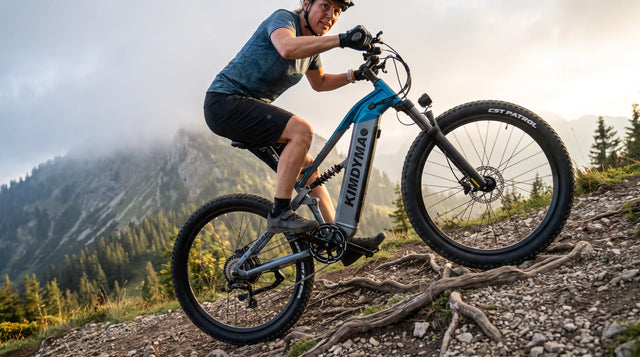
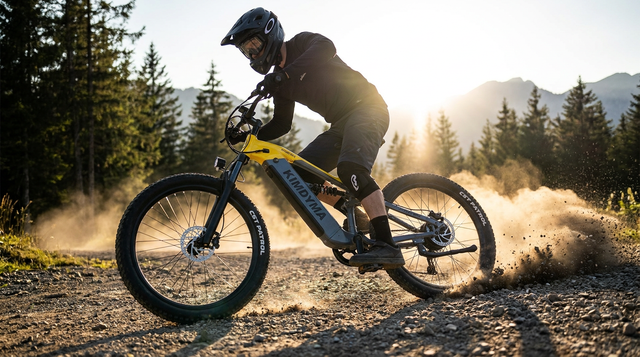
- Dual-motor or high-wattage bikes: Models like 1500W fat-tire e-bikes sold as "off-road only" occupy a legal gray area. If you ride them on public roads or bike paths, you're technically violating the 250W limit. Enforcement is targeting these bikes—Italy's 2024 seizures focused on models with undeclared wattage or removable battery systems that allowed higher power modes.
- Bikes with adjustable power settings: If your display lets you toggle between 250W and higher wattage modes, enforcement agencies may classify it as non-compliant regardless of which mode you use. Bikes with locked, non-adjustable specifications are safer from a legal standpoint.
The common thread is ambiguity. Bikes marketed with vague language—"up to 250W," "compliant in most countries," "off-road capable"—are the ones most likely to face restrictions as governments clarify rules.
How to Check If Your E-Bike Will Stay Legal
Start with your bike's motor type. Pedal-assist systems that only engage when you pedal are compliant across the EU. Throttle-only motors are increasingly restricted, especially in urban areas. If your bike has both, check whether your country allows throttle operation—many now require it to be disabled or removed for road use.
Next, verify wattage and speed limits in your country's specific rules, not just the EU baseline. The 250W/25 km/h standard is the minimum, but countries can impose stricter limits. For example, France requires helmets for all e-bike riders, while Germany restricts speed-pedelecs to certain road types. The UK government's e-bike rules page provides a model for how national regulations differ from EU standards.
Look at your bike's documentation. Does it list motor power, maximum speed, and battery capacity? If the specs are vague or missing, that's a red flag. Compliant bikes come with clear certification labels showing motor wattage, speed cutoff, and compliance with EN 15194 or equivalent standards. If your bike lacks this documentation, contact the manufacturer or retailer for proof of compliance.
Finally, test your display settings. Can you adjust power output or speed limits through the control panel? Bikes locked to 250W and 25 km/h are safer from a legal standpoint than those with hidden higher modes. If your bike has adjustable settings, document which mode it was sold in and whether the manufacturer intended those modes for off-road use only.

What's Changing in 2026 and Beyond
The EU Commission is reviewing EN 15194, but no final decision has been announced. Pressure is mounting to either raise wattage limits to reflect modern battery and motor technology or clarify rules around throttle operation and dual-motor systems. However, individual countries are moving faster than Brussels.
France is considering mandatory registration for all e-bikes, not just speed-pedelecs. Germany is debating insurance requirements similar to those already in place for mopeds. The Netherlands, which has the highest e-bike adoption rate in Europe, is reviewing whether current bike path infrastructure can safely accommodate higher-performance models. The Dutch road safety research institute SWOV has published studies showing increased accident rates involving speed-pedelecs on shared paths.
Insurance and liability frameworks are tightening across the EU. Expect higher premiums or mandatory coverage in major markets. Some insurers now offer extended warranty products that include legal compliance coverage, anticipating regulatory shifts that could affect resale value or usability.
Enforcement is shifting from manufacturers to retailers and owners. Fines for selling or riding non-compliant bikes are increasing. In Italy, retailers face penalties for selling bikes with undeclared wattage or ambiguous specifications. In Germany, police are conducting roadside checks of e-bike motor labels and display settings. If you own a bike in a legal gray area, expect scrutiny to increase.
Three Practical Steps to Protect Your Investment Now
First, buy bikes with transparent, locked specifications. Look for pedal-assist only, 250W motor, 25 km/h speed limit, and documented battery capacity. Avoid bikes marketed with vague language or adjustable power modes. If you're purchasing a city e-bike or commuter model, verify that the motor is locked to legal limits and cannot be reconfigured without manufacturer tools.
Second, keep all documentation. Save your purchase receipt, motor certification, and battery specs. If rules change, you'll need proof your bike was compliant when sold. This documentation is also critical for insurance claims and resale. If your bike came with a certification label showing EN 15194 compliance, photograph it and store the image digitally.
Third, consider extended warranty coverage that includes legal compliance issues. Some insurers now offer this in anticipation of regulatory shifts. If you own a higher-wattage or dual-motor bike, document its "off-road only" intended use and store it accordingly. Don't ride it on public roads or bike paths if it exceeds your country's legal limits—fines and liability are increasing.
Why This Matters for Commuters and Families
A bike that's legal today might be banned from your city's bike paths in eighteen months, affecting your commute route. Paris and Amsterdam have already restricted throttle-only bikes in certain zones. If your city follows suit, you'll need to find alternative routes or switch to a compliant model. This isn't hypothetical—the European Cyclists' Federation has documented dozens of cities tightening e-bike access rules since 2023.
Resale value is at risk. Buyers will increasingly avoid bikes with unclear compliance status. If you try to sell a dual-motor or high-wattage bike in two years, potential buyers will ask for proof it's legal in their country. Without clear documentation, you'll struggle to find a market. This is already happening in Germany, where used speed-pedelecs sell for significantly less than compliant pedal-assist models.
Insurance claims could be denied if your bike is later deemed non-compliant in your jurisdiction. If you're involved in an accident and your bike exceeds local wattage or speed limits, your insurer may refuse coverage. This has happened in several high-profile cases in France and Belgium, where riders of modified or non-compliant bikes faced both fines and denied claims.
The real risk isn't that pedal-assist e-bikes will disappear. It's that ownership will require registration, insurance, and helmet use like motorcycles in some countries. If you use your e-bike for daily commuting or family transport, these added costs and requirements could make ownership impractical. Plan accordingly by choosing bikes that will remain compliant under stricter future rules.
Frequently Asked Questions
Can my e-bike become illegal if regulations change?
Yes, if your country tightens rules. A bike legal today under the 250W/25 km/h EU standard could be banned from city bike paths if your country adopts stricter limits or requires registration. Throttle-only bikes and dual-motor models are already facing restrictions in some EU cities. Keep your purchase documentation to prove compliance at the time of sale.
What's the difference between a legal e-bike and an illegal one in Europe?
Legal e-bikes in the EU are pedal-assist only, max 250W motor, cut off at 25 km/h. Illegal ones include throttle-only bikes, motors over 250W, or bikes exceeding 25 km/h without pedaling. Speed-pedelecs (45 km/h, 4 kW) are legal but require registration and insurance in most countries. Rules vary by country, so check your local regulations.
Should I worry about my dual-motor or high-wattage e-bike?
If it's marketed as "off-road only," document that use and store it accordingly. Enforcement is increasing: Italy seized thousands of bikes sold as bicycles with motor specs exceeding legal limits. If you ride it on public roads or bike paths, you're taking a legal risk. Consider whether your country's rules allow it, or reconfigure it to comply with local limits.
How do I know if my e-bike will still be legal in 2027?
Check three things: (1) Motor type—pedal-assist is safest; throttle-only is increasingly restricted. (2) Your country's specific rules—not just EU baseline. (3) Your bike's locked specifications—if the display lets you adjust power or speed, it's a compliance risk. Contact your local cycling authority or retailer for your country's 2026–2027 outlook.
What should I do if I own a non-compliant e-bike?
First, verify it's actually non-compliant in your country—rules vary. If it is, you have options: reconfigure it to meet local limits (lower power, speed cap), use it only off-road, or sell it in a country with looser rules. Don't ride it on public roads or bike paths if it exceeds your country's legal limits—fines and liability are increasing.