


To protect an e-bike from theft, combine two high-rated locks, one for the frame and rear wheel and one for the front wheel, and park only at fixed anchor points in well-lit, busy places. Remove the battery when parking for long periods. Check that your insurance covers theft outside the home and specifies the lock standard required.
Why e-bikes get stolen more often than regular bikes
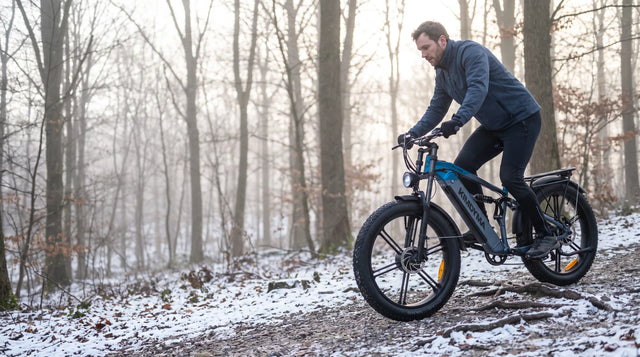
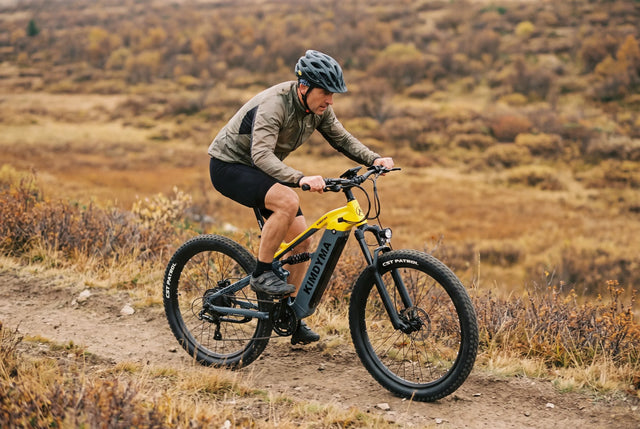
E-bikes are stolen more often because they are worth more and thieves know which parts carry the value. The battery, motor and display are all resale targets, and a bike with a suspension fork and a hub or mid-drive motor is easy to spot from a distance. For mountain-oriented bikes, e-bike security starts with accepting that your bike is a deliberate target, not a random one.
Lock quality matters because cheap locks fail quickly. A portable angle grinder cuts through thin cables and light chains in seconds, which is why "sold-secure" style ratings are worth paying attention to. A rating tells you the lock has been tested against real attack tools, not just that it looks heavy.
Sold Secure is an independent lock-testing organisation based in the UK. It is not a lock maker, so it has no stake in selling you a particular product. Its testers attack locks with real tools, including hand tools and portable angle grinders, and the lock is graded by how long it resists. An ordinary lock is simply sold with the maker's own claims about strength, while a rated lock has passed an outside test and carries a published level. When you shop, look for the Sold Secure badge on the packaging or product page, and note the level named on it, such as Bronze, Silver or Gold. You can then check the lock's listing in the Sold Secure product directory on its website. Higher levels mean the lock withstood attack for longer.
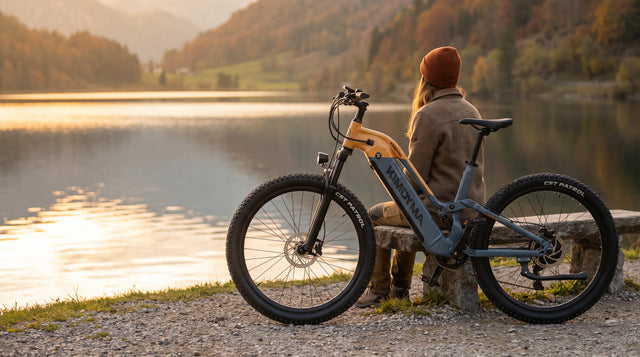
Where you park matters as much as what you lock with. A strong lock on a bike left overnight in a dark, quiet spot is a worse bet than a decent lock in a busy, visible place. Trailheads, station car parks and holiday rentals are all places where a bike can sit unattended for hours, so plan for them before you leave.
If you want to understand why the battery is such a prize and such a responsibility, the lithium-ion battery page explains the chemistry. Our guide on checking batteries and brakes against safety standards covers the other side of ownership.

Which lock combination to use on an e-bike
Use two locks: one high-rated D-lock or chain for the frame and rear wheel, and a second lock for the front wheel. Splitting the job means a thief needs different tools or more time, and most opportunists give up when a bike looks like effort.
The front wheel needs its own lock because of the quick-release mechanism. On a quick-release wheel, a thief only has to flip a lever and the wheel drops out of the fork, which takes a few seconds. If only the frame is locked, the thief can walk away with the front wheel, and on many e-bikes that wheel holds a hub motor. Locking the front wheel separately to the frame or to a fixed object means the thief has to defeat a second lock, which costs extra time and a second set of tools.
- Primary lock: a high-rated D-lock or hardened chain through the frame and rear wheel, attached to a fixed object.
- Second lock: secures the front wheel, which is often quick-release or easy to remove on a bike with a suspension fork.
- Battery and display: remove them when parking for long periods and store them indoors.
Taking the battery off is the cheapest deterrent you have. It removes the most expensive component and makes the bike far less attractive. If you carry a spare or a removable pack, keep it with you or locked inside, never in a bag left on the bike. Our removable key-lock battery is designed for exactly this routine.
Secondary locks for short stops
Cable combination locks are only suitable for short stops or as a supplementary lock, never as the main protection. If you want one for a quick café break or to tie down a helmet and accessories, a 5-digit combination cable lock is a handy extra, as long as the D-lock or chain does the real work. Whichever e-bike lock combination you choose, the cable should never be the only thing between your bike and a grinder.
Where to park an e-bike so it is harder to steal
Park in a well-lit, busy place with a fixed anchor point that cannot be lifted off the ground or cut easily. Visibility is a real deterrent, because thieves avoid spots where passers-by might interrupt them. Secure e-bike parking is about reducing both the time a thief needs and the chance of being watched.
- Choose anchors that are bolted down or set in concrete, and check that a post cannot simply be lifted off the top.
- Lock the frame to the immovable object. Locking only a wheel to a rack leaves the rest of the bike to be carried away.
- Keep the lock off the ground where possible, since this makes leverage attacks harder.
- Avoid leaving the bike overnight in unsecured courtyards, shared stairwells or open garages.
A leverage attack works like this: the thief slides a bar, pipe or jack through the lock and twists it. The bar multiplies their force, so the lock, or the post it is attached to, can snap or pull free. A lock resting near the ground is easy to attack, because the thief can brace the bar against the pavement or the base of the post and push down with their weight. A lock held higher gives them nothing solid to push against and less room to swing a bar. The same logic explains why anchors should be bolted down or set in concrete: a loose post can be tipped or lifted away with a lever. A simple test is to look at the gap between the lock and the ground. If a bar or a foot can easily fit in that space, the lock is too low, so pick a higher point on the frame and anchor, or a different spot.
After a ride in the hills, it is tempting to leave a muddy bike outside. Resist that, and bring it indoors if you can. Our article on locks, parking and insurance in the Netherlands goes deeper on how parking habits change theft risk, and the original discussion that inspired this piece is on r/ebikes.

Which insurance and tracking options are worth checking
Check three things before you buy any e-bike theft insurance: the minimum lock standard, whether cover applies outside the home, and whether the battery is included. A policy that looks cheap can leave you with nothing if your lock does not meet its wording.
- Lock requirement: many insurers require a minimum sold-secure standard for e-bikes above a set value.
- Location: confirm that theft is covered away from home, such as at a trailhead or on a trip.
- Components: ask whether the battery, motor and display are covered separately or only with the whole bike.
- Documentation: some insurers want proof of purchase and photos of the frame number.
The lock standard that insurers cite is normally the same Sold Secure grading system described earlier, not a separate scheme. In your policy documents, search for phrases such as "Sold Secure", "approved lock" or "minimum lock requirement", often in the conditions or security sections. They usually name a level, such as Silver or Gold, sometimes tied to the bike's value. Compare that level with the one printed on your lock's packaging or listed in the Sold Secure directory. If your lock is graded below the required level, or is not rated at all, the insurer may refuse the claim even though the bike was locked and stolen. If the wording is unclear, ask the insurer to confirm in writing which lock levels they accept.
GPS or Bluetooth trackers can help recovery, but they do not replace physical locking. Think of a tracker as a way to find a bike after the fact, not as a reason to use a lighter lock. If you want background on how the category is defined, the pedelec page explains what counts as an e-bike in the EU, which can matter when you read policy definitions.
What to do right after an e-bike is stolen
Report the theft to the police quickly and give them the frame number, then contact your insurer within the notification window in your policy. Speed helps, because a fast report improves the chance of recovery before the bike is stripped or sold on.
- Prepare in advance: record the frame number, model, colour and any distinguishing marks, and keep photos with your purchase receipt.
- Report to the police: provide the frame number so the bike can be registered as stolen.
- Contact your insurer: check the notification window in your policy and keep the report reference.
- Share details: if you use a tracker, give the police the location data rather than going after the bike yourself.
Do not confront anyone. A bike can be replaced, and recovery is better left to the police.
Frequently Asked Questions
What lock should I use for an e-bike?
Use a sold-secure rated D-lock or heavy chain to lock the frame and rear wheel to a fixed object, and add a second lock for the front wheel. Cable locks are only suitable as a supplementary lock for short stops.
Does e-bike insurance require a specific lock?
Many insurers require a minimum sold-secure standard for e-bikes above a certain value. Check the policy wording before you buy, because a non-compliant lock can void your theft claim.
Should I remove the battery when parking my e-bike?
Yes, if you park for long periods. Removing the battery and display makes the bike less valuable to thieves and protects the most expensive component. Store the battery indoors.
Are GPS trackers worth it for an e-bike?
GPS or Bluetooth trackers can help police recover a stolen bike, but they do not stop theft. Use them alongside a strong physical lock, not as a replacement for one.