


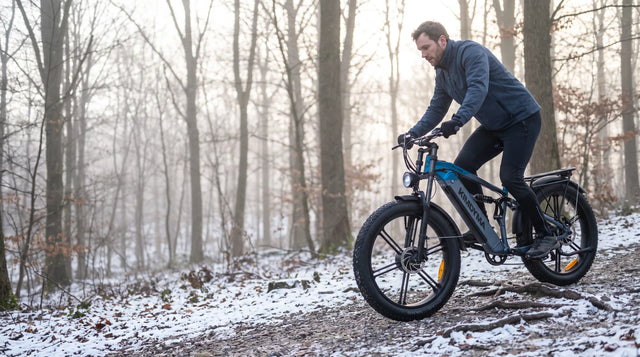
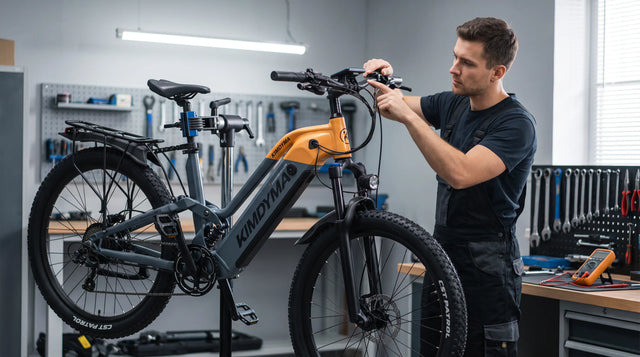
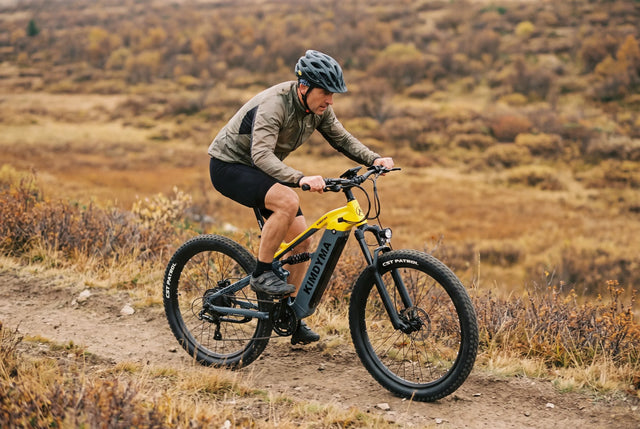
Clean your e-bike after every muddy, wet, or salty ride, and wipe it down after dry trail rides every few outings. Rinse off road salt and grit promptly, since they corrode drivetrain and electrical contacts. Remove the battery and keep connectors dry before washing, then re-lubricate the chain once fully dry.
How Often Should You Clean an E-Bike?
Clean after muddy, wet or salty rides, and give the bike a quick wipe after dry rides every few outings. The calendar matters far less than what you rode through. A bike that spent three hours in wet forest needs attention that day, while one that rolled along a dry gravel track can wait a few rides.
Terrain decides the answer because grit, moisture and salt do the damage, not time. Grit acts like an abrasive: fine sand and mud particles work into the chain and cassette and wear the metal away with every pedal stroke. Salt and moisture corrode metal parts and the electrical connectors, and they keep working for as long as they sit on the bike, which is why the ride matters more than the date. If you want to clean e-bike parts properly without overdoing it, treat the conditions as your schedule.
It matters more on an e-bike than on a regular mountain bike. The drivetrain works under higher load, so grit grinds chains and cassettes faster. The bike also carries connectors, a display, a charging port and sensors, and these dislike moisture and contamination. The e-bike is a normal bicycle with electrical systems added, and those systems need a little extra care.

Cleaning Frequency by Terrain and Conditions
Use a simple rule: the wetter, muddier or saltier the ride, the sooner you clean. This table is a starting point for how often to clean an ebike, not a strict schedule.
| Conditions | What to do | When |
|---|---|---|
| Dry trail or gravel | Wipe frame and fork, check chain and brakes | Every few rides (roughly every 3 to 5 rides) |
| Mud, forest, wet leaves | Rinse and brush, then clean and lube the chain | Same day where possible, and within 24 hours at the latest |
| Winter, slush, road salt | Rinse thoroughly, including drivetrain and brake areas | Soon after riding (the same day, and within 24 hours at the latest) |
A few terms from the table: rotors are the brake discs, fork stanchions are the sliding upper tubes of the front fork, and the drivetrain is the system made up of the chain, cassette and chainrings.
Treat these ranges as a rule-of-thumb starting point. A long, dusty ride may justify cleaning sooner than a short, easy one, so adjust to how intense the conditions were.
Dry trails and gravel
Dust builds up slowly. A damp cloth over the frame, fork stanchions and rotors is usually enough. Take a moment to check chain condition and brake feel at the same time.
Mud and wet forest
Ebike cleaning after mud is best done the same day. Mud dries hard, holds moisture against bearings and cables, and acts like grinding paste in the drivetrain. If you ride damp woodland a lot, our piece on choosing and riding wet larch forest trails covers what to expect underfoot.
Winter, salt and slush
Salt corrodes metal and electrical contacts, so rinse soon after the ride rather than leaving it for the weekend. Pay attention to the chain, brake calipers, bolts and the area around the connectors. Cold weather is not an excuse to skip it, because salty slush does the most harm when it sits.
These are general guidelines. Check local conditions before heading out, and let what you actually rode through set the routine.
What to Protect Before You Wash
Remove the battery first and keep the charging port and display connectors dry. This is the single most useful habit for ebike washing with battery removal, since it keeps water away from the contacts and gives you clear access to the frame.
- Take the battery off and store it somewhere dry. Cover or close the charging port and any exposed connectors.
- Keep high-pressure jets away from the bottom bracket, hub seals and the torque sensor area. Pressure can push water past seals into bearings. If you are curious how the bottom bracket works, it explains why this area is sensitive.
- Choose a mild, bike-specific cleaner. Harsh degreasers can strip grease from bearings and attack seals.

Step-by-Step: Washing Your E-Bike Without Damage
Rinse gently, scrub with a soft brush, clean the drivetrain separately, then dry everything. The whole job takes little time once you have a routine.
- Rinse loose dirt with low-pressure water, working from the top down. A garden hose is plenty.
- Wash the frame, fork and wheels with a soft brush and mild soap. Wipe fork stanchions clean so grit does not damage the seals.
- Clean the drivetrain. Degrease the chain, cassette and chainrings, then rinse lightly.
- Dry thoroughly. Wipe the motor housing, frame, rotors and connectors. Let the bike air-dry, then lubricate the chain.
- Check the brakes. Make sure no lubricant or cleaner has reached the pads or rotors. Contamination reduces braking power and can be hard to reverse.
Chain and Drivetrain: When Cleaning Turns Into Maintenance
Your ebike chain cleaning interval should follow wet conditions, and you should always lubricate after cleaning, never before. Oil on a dirty chain simply traps grit. The lubricant mixes with sand and mud and turns into a grinding paste that works into the links and rollers, so it speeds up wear instead of preventing it. Clean the chain thoroughly, let it dry, and only then add lube. In dry weather the chain may only need attention after several rides, while mud and rain call for it after each outing.
Watch for signs that the drivetrain needs more than a wash:
- Persistent noise or grinding under pedaling load
- Chain skipping on the cassette
- Stiff or hesitant shifting
If these continue after a proper clean and lube, inspect for wear or have a shop check it. A worn chain left in place damages the cassette and chainrings too.
One practical extra: while you are cleaning or when you stop briefly after a ride, a 5-digit combination cable lock is handy for short stops. It is a convenience for brief moments, not your primary theft protection.
Common Cleaning Mistakes to Avoid
Most damage comes from too much water pressure, impatience and poor drying. Avoid these:
- Pressure washing bearings and seals. Water gets in and washes grease out.
- Charging a damp battery straight away. Let the battery and contacts dry fully first. Our guide on storing and charging your battery in autumn covers good habits. For background on why careful handling matters, see the explanation of lithium-ion batteries.
- Storing a wet bike in a cold garage. Moisture lingers and encourages rust and contamination.
- Ignoring the sensor and brake areas. After salty or muddy rides, check around the pedal-assist sensor, brake calipers and rotors, where grime collects unnoticed.
Frequently Asked Questions
How often should I clean my e-bike?
Clean it after every muddy, wet, or salty ride, and give it a quick wipe after dry rides every few outings. Frequency depends on terrain and weather rather than a fixed calendar interval, so let the conditions you rode in decide.
Is it safe to wash an e-bike with water?
Yes, if you use low-pressure water and avoid direct jets on the bottom bracket, hub seals, and electrical connectors. Remove the battery first, and dry the bike thoroughly before charging or storing it.
Should I remove the battery before cleaning?
Yes. Removing the battery keeps water away from the contacts and lets you clean the frame area properly. Keep the charging port covered or dry while washing, and let everything air-dry before reconnecting.
How do I clean the chain on an e-bike?
Degrease the chain with a dedicated cleaner, rinse it, and dry it completely. Then apply a fresh lubricant suited to wet or dry conditions. Lubricating a dirty chain just traps grit and speeds up wear.