



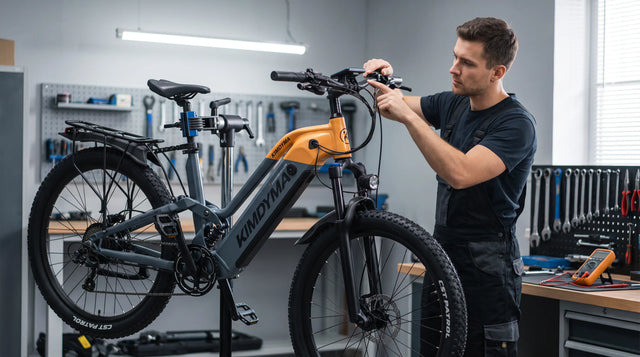
When buying an e-MTB, dealer service matters more than price because the bike's complexity means it will need diagnosis, brake bleeding, battery checks and suspension setup over its life. Before you pay, confirm the shop has a visible workshop, trained technicians for your motor, reasonable parts lead times and a clear warranty process. A slightly more expensive bike from a shop that can service it usually costs less over three years than a cheaper one you must take elsewhere.
Why the Sale Is Only the Start of Ownership
A full-suspension e-MTB is a machine you will need to maintain, not just a product you buy once. The Dutch cycling sector is being urged to sell expertise, not just e-bikes, and the reason is simple: e-bikes have become far more complex than the machines most shops grew up servicing.
An e-MTB adds a motor, a battery, a controller, a display, software and hydraulic brakes to a frame that already carries a suspension fork. Each of these can fail in its own way. Ordinary bike shops used to touch few of them, and not every shop has caught up.
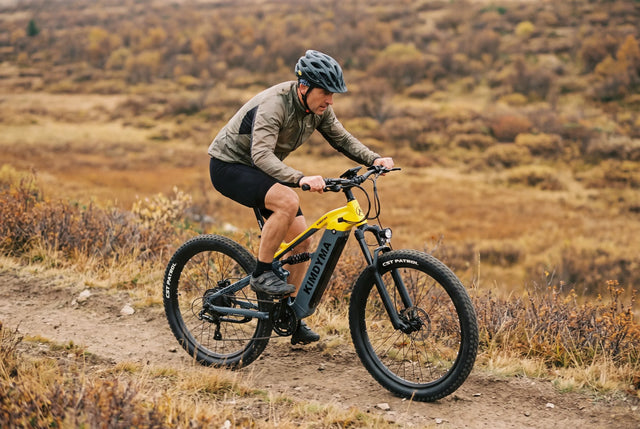
That is why a cheap bike from a shop that cannot service it often costs more over three years than a slightly dearer one from a shop that can. Downtime, shipping parts back and forth, and repeated diagnosis add up quickly. If you ride steep, rough terrain, the bike will also be stressed harder than a flat-road bike would be.
The costs come from three places. First, the bike sits unused while a part is ordered, and you may still need other transport in the meantime. Second, a shop without the right tools may have to send the bike or the part elsewhere, so you pay for carriage or for extra trips. Third, if the shop cannot read the fault, it tests one thing, then another, and each visit or test is billed or costs you a day.
Here is a simple scenario. Two riders each have a motor sensor fault. The first buys from a shop with the diagnostic tools and a part in stock: one visit, one repair. The second bought a cheaper bike from a shop that cannot read the motor's error codes. The bike is dropped off, returned unfixed, sent away for testing, then waits for a part. That means several trips, a carriage charge and weeks off the trail. None of these steps is dramatic alone, but together they can outweigh the original saving.

What a Dealer Must Be Able to Do Inside the Shop
A good e-bike dealer service covers four areas in-house: electrical diagnosis, brakes, battery handling and suspension setup. If a shop outsources most of these, you are really buying from a middleman.
- Diagnosis, not part swapping. The mechanic should read display error codes, test the motor and sensors, and find the fault before replacing anything. A shop that simply swaps components until the problem disappears will bill you for the guesswork.
- Hydraulic brakes. Bleeding, pad changes and rotor replacement on a full-suspension frame are routine for e-MTBs because the extra weight and speed wear brakes faster. Our guide on spongy brakes, bleeding and checking for air shows what a proper job involves.
- Battery checks and firmware. A technician should be able to inspect the pack, connectors and charger, and apply software updates. Lithium cells store a lot of energy, and a damaged pack can go into thermal runaway, so battery work should be handled carefully and by people who know the risks.
- Suspension setup. Fork sag, rebound and lockout depend on your weight and the terrain you ride. Our step-by-step fork air pressure and sag guide covers the basics you can check yourself.
Thermal runaway is a chain reaction inside a lithium battery. If a cell is crushed, punctured, overcharged or overheated, it can start producing heat. That heat damages the neighbouring cells, which then heat up too, and the process feeds itself. The result can be smoke, fire or even an explosion, and it can start some time after the damage happened. This is why a battery should not be treated like an ordinary part to be swapped on a hunch. A trained technician knows how to spot signs of damage, check that the charger and pack match, and store or replace a faulty pack safely.
Questions to Ask Before You Buy
Four questions will tell you most of what you need to know about a shop's e-bike repair service. Ask them before you hand over any money, and note the answers.
- Who does the workshop repairs? Ask whether the technicians are trained on the specific motor brand of the bike you are considering, not just on bicycles in general.
- How long do parts take? Ask what the shop keeps in stock (brake pads, tyres, chargers, common sensors) and what typically has to be ordered. A realistic lead time matters more than an optimistic promise.
- Do they service bikes bought elsewhere? If so, at what labour rate? This tells you how they will treat you if you ever need help outside the warranty.
- What does the warranty cover, and who handles claims? Find out whether the shop processes claims or you must deal with the manufacturer. Ask specifically about e-bike battery warranty terms, since the pack is usually the most expensive wearable part.
The reason for the third question is the difference between warranty and workshop service. A warranty is normally a promise from the manufacturer to repair or replace faulty parts within a set period, so a covered fault should cost you little or nothing. Workshop service is the shop's own labour. Once the warranty has expired, or if the bike was bought elsewhere, the shop charges its hourly labour rate plus parts. That is why the rate matters.
For the fourth question, battery warranties commonly run for a number of years, a number of charge cycles, or whichever comes first. They usually cover defects and a drop in capacity below a stated level, but not damage from crashes, water ingress or the wrong charger. Ask for the exact limits in writing.

Red Flags in the Showroom
The clearest warning sign is a shop that sells e-bikes but shows no sign of being able to repair them. A few things are worth watching for as you walk in.
- No workshop in view, or no mechanic on the floor during opening hours.
- Staff who cannot explain the battery, the charger or how the assist levels work. If they cannot explain these, they will struggle to diagnose them.
- Discounts for skipping the first service or the test ride. Both exist to catch problems early, and a shop that discourages them is shifting risk onto you.
It is also worth knowing what you are buying in legal terms. A pedelec in the EU falls under a specific category, and a dealer should be able to explain what that means for your bike. For background, see Regulation 168/2013.
How to Weigh Price Against Support on a Full-Suspension E-MTB
Judge the total cost of ownership rather than the sticker price. A lower price only wins if you never need the shop, and on a bike used off-road that is unlikely.
| Factor | What to compare |
|---|---|
| First service | Is it included or charged, and what does it cover? |
| Consumables | Pads, rotors, chains, tyres: availability and labour cost |
| Downtime | How long the bike is off the trail during a typical repair |
| Travel to workshop | Distance and effort of reaching a competent mechanic |
To turn these rows into numbers, ask each shop for quotes and put them side by side. Suppose Shop A includes the first service and quotes a set fee for a brake pad change and a chain swap, with parts in stock, so the bike is back in a day or two. Shop B has a lower bike price but charges for the first service, bills more labour hours, and must order parts, so the bike is away for a week or more. Downtime can range from a couple of days for a stocked consumable to several weeks for a motor or battery part that has to be ordered. Add the price differences and the cost of missed riding, and the cheaper bike may no longer be the cheaper choice.
Use the test ride to judge the shop as well as the bike. Ask them to check your fork setup and brake feel during the ride. How they handle small adjustments shows how they will handle bigger problems.
Distance matters too. If you ride remote forest tracks or gravel routes, a workshop that is hours away turns every minor fault into a long trip. Good e-bike after-sales support should include clear remote advice, so you can tell a quick fix from a real failure.
Finally, check the basics of the electrical side yourself. Our article on e-bike safety standards for batteries and brakes lists what to look for, and if your battery does need replacing, a compatible option such as the 48V 20Ah removable battery should be matched carefully to your bike.
Frequently Asked Questions
Is dealer service more important than price when buying an e-MTB?
For most riders, yes. An e-MTB combines a motor, battery, software, hydraulic brakes and suspension. When something fails, a shop that can diagnose and repair it quickly saves more time and money than the small price difference between dealers.
What should an e-bike dealer's workshop be able to do?
A capable workshop should read display error codes, diagnose motor and battery faults, bleed hydraulic brakes, replace pads and rotors, update firmware and set up fork sag and rebound. Ask whether the technicians have been trained on the specific motor system you are buying.
Will a shop service an e-bike I bought online?
Some shops will, but many charge a higher labour rate or refuse bikes they did not sell. Ask before you buy, and get the answer in writing if the service matters to you.
Who handles warranty claims on an e-bike?
It depends on the dealer and manufacturer. Confirm whether the shop processes claims directly or whether you must contact the manufacturer, and how long parts usually take to arrive.